Design Aesthetics for the Web

Aesthetics.
Generally speaking, aesthetics is a field of philosophy, and practitioners can study beauty related to art. Plato begins by talking about the pleasure of beautiful qualities. Later, Aristotle further advanced the idea that the function of art is to create pleasurable experiences in the audience.

Many people would agree that something like the Mona Lisa is unquestionably beautiful. There may be historical, contextual and subjective factors to what is called “beauty”. In other words, beauty occurs when qualities such as color, shape and shape are combined in a pleasing aesthetic and intellectual way.
Good design can convey an emotion or a feeling that goes beyond the content of the design. First impressions count in design. In fact, they are so important that the aesthetic or aesthetic of the design can make a difference between positive and negative brand associations. Good design can create a positive feeling about a product or service. Design affects everything, and we can find examples of it everywhere. So, look around. Get inspired. Good design is everywhere.

The elements of design.
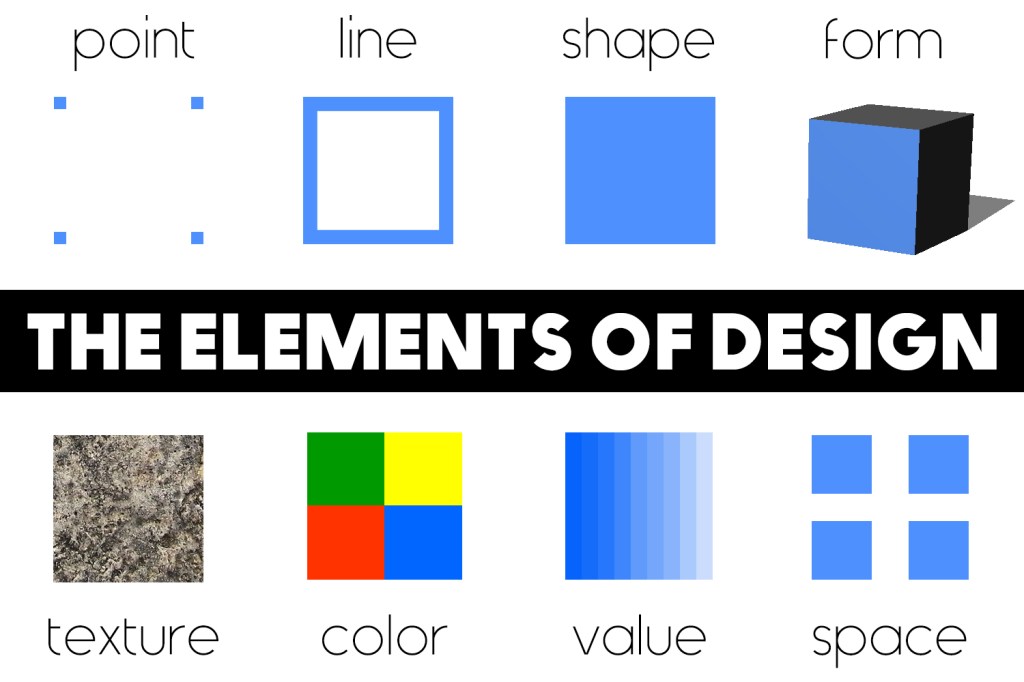
What are the elements of design? In terms of network design, it is generally believed that there are eight design elements, their colors, values, textures, shapes, forms, Spaces, lines and types.
Communications: Leading viewers through a design
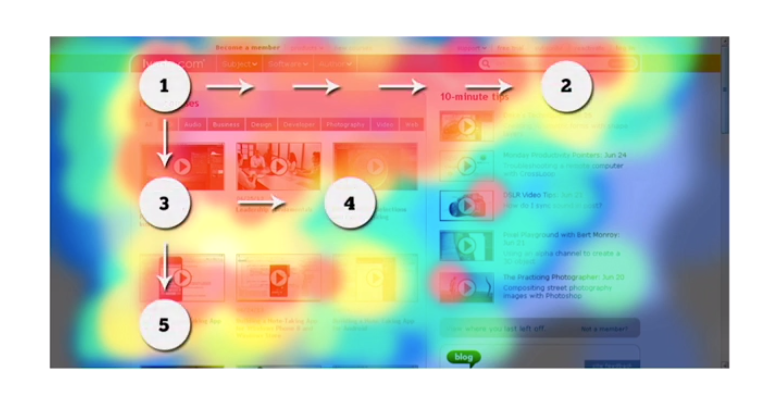
Web design requires designers to consider not only the meaning and relative importance of a site’s content, but also to reflect on the user experience and anticipate the habits and needs of visitors. In examining how people look at web pages, heat map evidence suggests that eyes move across web pages in very specific ways. What this discovery tells us is that the most important content must be easily accessible for visitors who may be scanning your site quickly. Nielsen Norman Group further determined that the user would not read the text thoroughly, that the first two paragraphs of each page should contain the most important information, that all sections of each page should be clearly marked with headings, subheadings, paragraphs, and bulleted lists, and that we should really use images to draw attention to important areas inside and outside the F zone.
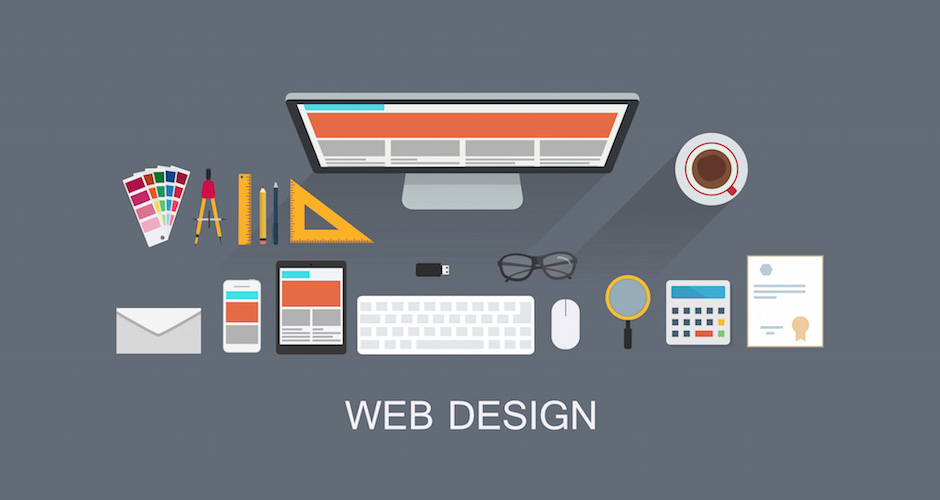
Web Design: Efficient Workflow

In Windows, we see a list of available templates for creating new documents. In effect, the template dialog gives you a way to quickly create new documents. We just need to find the right template. In the image size, we can click the triangle next to the advanced options to check and make sure you are using an RGB image or whatever format is required. If you want to create a new image for an SMS message, double-click the icon here in the template dialog. If you need to change this template later because of a change in the newsletter format, click once to select the template, and then select the edit template.

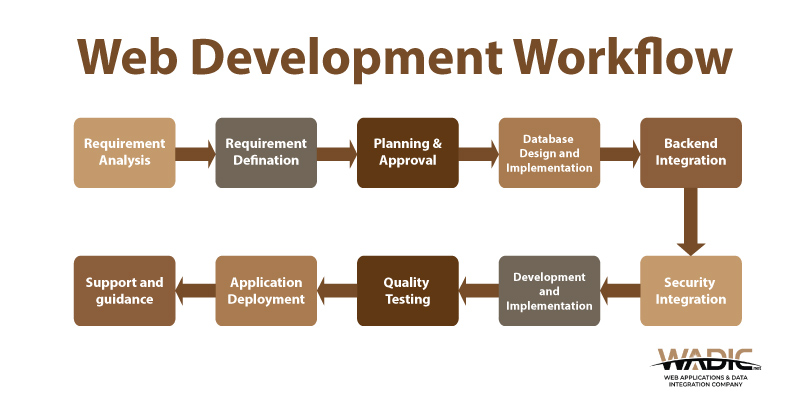
A web design workflow is a process or set of steps that we follow when developing a web design. In order to work effectively, the tasks to be performed at design time should be created in a logical and sequential manner. Both new and experienced designers can benefit from a set of possible steps that can be followed or applied to any existing workflow. The main goal is to work as efficiently as possible while reducing redundancy and simplifying the design process.
Like any creative process, design workflows are simply Suggestions for maximizing potential. The benefits of learning from other designers can multiply our own skills. The more we know, the more skills we must acquire, and the easier it is to enjoy the design process.

Photoshop vs Gimp:Prepare images for web

In the Photoshop ACA exam, questions about Photoshop ACA are divided into five topic areas, which are used to set project requirements, identify design elements when preparing images, understand Photoshop, manipulate images, and evaluate digital images.

1.Setting project requirements

2.identifying design elements when preparing images

3.Understanding Photoshop

4.Manipulating images

5.Evaluating digital images

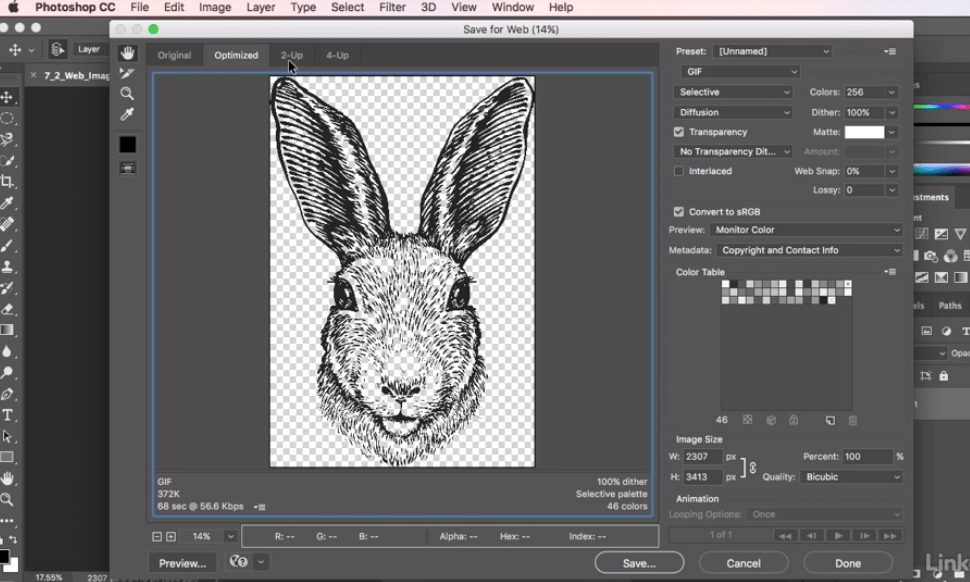
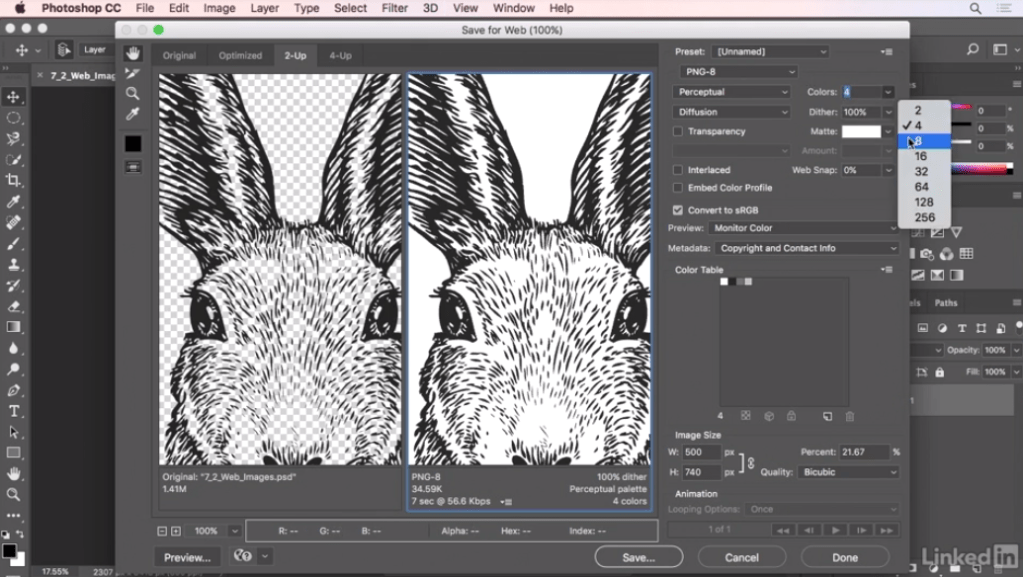
First, we need a smaller version. Therefore, our goal for exporting to the Web is to reduce this to the appropriate size to keep the file size as small as possible, while maintaining the best quality. Then we’ll select file, export, and save as Web. Then in the dialog box, select fit view to view the entire image, and then use two-way view to view the preview of the original image and export file side by side. We’ll look at it at 100% scale. Now, this is not a bad image. But file sizes are still high. More than 100,000. We can try to lower the JPEG quality to apply more compression and reduce the file size so that it can go from high to medium. Or even lower. Finally, save it as rabbit.png. Save it on your desktop and you’re done.

Having learned how to create a new GIMP document by changing one of the templates listed in the new image dialog, we can create custom templates with all the values we need. In Windows, we see a list of available templates for creating new documents. In fact, template dialogs give you a very fast way to make new documents. We just need to find the right template. In image size, you can click the triangle next to advanced options to check and make sure you’re using an RGB image, or whatever format you want. If you want to create a new image for a text message, you can double-click the icon here in the template dialog. If you need to change this template later because of changes in the format of the newsletter, click once to select the template, and then select edit templates.

Content Strategy

Content strategy is the art of bringing the right content to the right people and the right place at the right time and in the right context. In modern Web design, the content strategy comes into play at the planning stage and throughout the process from conception to design and development to distribution and maintenance.
A content strategy is to make the right content available to the right people at the right time, in the right context, and to ensure that it is accurate, up-to-date, and appropriate through ongoing engagement. To do this, an exchange of ideas is necessary and requires a deep understanding of the audience, their needs and communication style. Otherwise, the content and the business it supports will fail.
We have to define the content clearly before we can talk about the content strategy. What is the content and what is the purpose? In its most basic form, the term “content” applies to anything that conveys meaningful information to a person. Content can be represented as text or graphics, images or video or audio. Look around and you’ll find content everywhere.

How we derive meaning from content depends on our environment, the language we use, our culture, parenting style and many other factors. Even more, we need to make the viewer associate one thing with another, and that’s what makes sense.

problem
How do we ensure that the message reaches the right audience and is understood? That’s what the content strategy is trying to solve, and that’s what makes the content strategy so interesting. While ultimately content is critical to content strategists, their real focus is on understanding content creators and their intentions, audiences and their needs and desires.

COPYRIGHT

Intellectual property

“Intellectual property (IP) is a category of property that includes intangible creations of the human intellect. There are many types of intellectual property, and some countries recognize more than others. The most well-known types are copyrights, patents, trademarks, and trade secrets. Early precursors to some types of intellectual property existed in societies such as Ancient Rome, but the modern concept of intellectual property developed in England in the 17th and 18th centuries. The term “intellectual property” began to be used in the 19th century, though it was not until the late 20th century that intellectual property became commonplace in the majority of the world’s legal systems.”


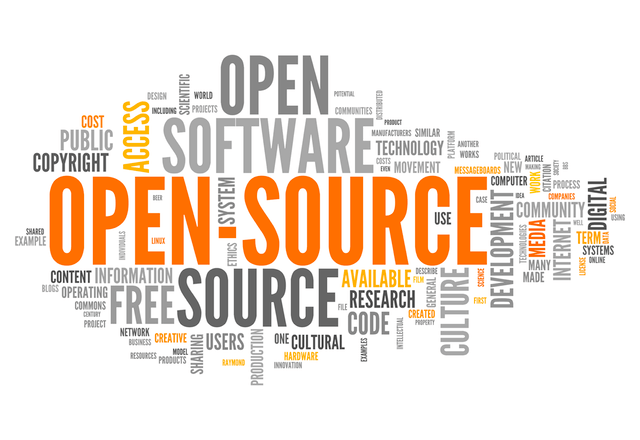
What is it that allows open source code? The most authoritative guide source is from The Open Source Initiative. The web site of the organisation can be found on openensource.org. The Open Source Initiative is quick to point out that simply having access to the source code on its own does not open source code.

When you open it in the Shared Server scenario you will reach the server. But the trick is being able to use the app. The word “open source” is a distinguishing concept, and the open source project offers 10 requirements that must be fulfilled in order to be considered and licenced as open source software and its related licences.

Open-source criteria

1.free redistribution

2.must provide source code or make it available

3.must allow derived

4.the integrity of author’s code must be maintained

5.no discrimination against persons or groups

6.No discrimination against fields of endeavor


7.Distribution of only one license required to secure right


8.License must not be specific to product

9.License must not restrict other software

10.License must be technically neutral

INTRODUCE YOURSELF

这是一篇示例文章,最初作为 Blogging University 的组成部分发布。报名参加我们十个项目中的其中一个,立即开始撰写您的博客。

您今天要发布一篇文章。不必担心您的博客的外观。如果您还没有给博客命名或是感到不知所措,也不必担心。只需点击“新文章”按钮,告诉我们您来此处的原因。

为什么要这样做?

  • 因为它能为新读者提供背景信息。让他们了解您是做什么的,他们为什么应该阅读您的博客。
  • 因为这将帮助您专注于自己对博客的想法,以及您想用博客来做什么。

文章可短可长,可以是对您的生活的个性化介绍或是博客宗旨说明,也可以是对未来的宣言或是对希望发布的内容类型的简要概述。

为了帮助您开始撰写,不妨思考以下几个问题:

  • 您为什么要公开写博客,而不是写个人日记?
  • 您认为您会写些什么话题?
  • 您想通过博客和谁联系?
  • 如果您的博客成功写到明年,您想要达到什么目标?

您并非一定要受此限制,博客的一个奇妙之处在于,随着我们学习、成长和与他人互动,它们是会不断演变的,不过如果知道从何处入手以及为何开始,这将会颇有益处,并且明确您的目标可能会激发您写其他一些文章的灵感。

不知道如何开始?只需写下您脑海中闪现的第一件事即可。Anne Lamott 是一位作家,大家都喜欢她写的书。她指出,你要允许自己写出“蹩脚的初稿”。Anne 提出了一个很好的观点,先开始写,之后再去考虑如何编辑。

在您准备发布时,给您的文章贴上三到五个标签来描述您博客的关注点 – 写作、摄影、小说、育儿、美食、汽车、电影、体育等。这些标签将帮助关注您话题的人在阅读器中找到您。确保添加“zerotohero”标签,这样其他新博主也可以找到您。

通过 WordPress.com 设计一个这样的站点
从这里开始